E-inovice: Automating 10 Million Monthly Invoices for a Leading Malaysian Telecom Provider

hero-section-bg-union
hero-section-flower-

Client

E-inovice

well-team-logo

Telecommunication Services and Internet Technology Services

Malaysia

Overview

Our client is one of Malaysia’s leading telecommunications providers, offering a comprehensive portfolio of connectivity solutions across prepaid, postpaid, broadband, corporate, and SME segments. With network coverage reaching more than 93% of the country’s population, the company serves as one of Malaysia’s largest converged network operators.

As part of Malaysia’s nationwide e-Invoicing initiative introduced by LHDN (Inland Revenue Board of Malaysia), businesses are required to adopt electronic invoicing to improve tax administration and enable near real time transaction validation across B2B, B2C, and B2G transactions.

To support this regulatory transformation, an enterprise grade e-Invoicing platform was developed to automate invoice generation, validation, and electronic submission to LHDN within the required low latency processing window. The solution streamlines the exchange of structured transaction data while ensuring compliance with government requirements.

The platform is capable of processing approximately 300,000 invoices per day, handling nearly 85 GB of transaction data daily. Each invoice is automatically validated against mandatory compliance rules, including Tax Identification Number (TIN) verification and other required customer information, before being securely submitted to LHDN.

Technologies Used

Java Script

Type Script

GoLang

Next Js

Echo(Golang)

MySql

AWS EC2

ECR

Amazon SES

Amazon SES

CI-CD Pipeline

  1. Transitioning from manual invoicing to an automated workflow required significant system redesign, new software implementation, staff training, and effective change management to minimize operational disruption.

  2. The project required seamless API integration with existing enterprise platforms such as SAP while maintaining reliable end to end processing with LHDN, creating a complex technical integration challenge.

  3. Integrating multiple business systems introduced the risk of inconsistent data, incorrect field mappings, and formatting issues, which could result in invoice validation failures and compliance issues.

  4. Raw transaction data needed to be transformed into LHDN compliant UBL JSON/XML formats, requiring complex data mapping and validation of mandatory fields to ensure successful submission.

  5. Differences in e-Invoice formats, standards, and communication protocols across systems created compatibility challenges and increased processing complexity.

  6. The Malaysian e-Invoicing mandate introduced strict requirements for data formats, digital signatures, security standards, and real time reporting. Failing to meet LHDN compliance requirements could lead to operational disruptions and regulatory penalties.

  7. Frequent updates to LHDN’s technical documentation and compliance guidelines made it difficult to keep validation rules and submission processes up to date manually.

  8. The organization had limited internal expertise in e-Invoicing standards, compliance requirements, and the newly introduced operational workflows.

  1. A comprehensive automation solution was implemented to streamline invoice generation, approval, and submission while integrating with BigQuery to support high volume invoice processing.

  2. Secure APIs were developed to extract and transform source system data, including SAP, while automating the submission pipeline to LHDN through a semi flow through e-Invoice Go engine. Error handling, logging, and status polling mechanisms were also implemented to improve reliability.

  3. A dedicated processing pipeline was introduced to maintain accurate, validated, and synchronized transactional data across multiple integrated systems.

  4. ETL (Extract, Transform, Load) processes were implemented to convert transactional data into LHDN compliant UBL JSON/XML formats, with automated validation ensuring mandatory fields such as TIN, invoice numbers, and customer information were complete before submission.

  5. A high performance e-Invoice Go engine was developed as a distributed middleware service, enabling consistent data exchange across complex ERP environments while supporting scalability and future system enhancements.

  6. Automated validation rules were established to verify every invoice against LHDN compliance requirements before submission, reducing errors and minimizing compliance risks.

  7. A continuous monitoring process was implemented to track LHDN updates, with adaptive functionality that automatically updated validation rules and e-Invoice submission workflows as regulations evolved.

  8. A comprehensive knowledge repository was created, including detailed documentation, e-learning materials, and targeted training sessions to improve understanding of e-Invoicing standards, compliance requirements, and operational workflows.

Measurable Results

Project Team Composition

Role

Backend Developers

Frontend Developers

Project Manager

Product Designer

Software Quality Assurance (SQA)

Solution Architect

DevOps Engineer

Team Members

4

3

1

1

1

1

1

Core Features of the Software

Automated Invoice Submission Workflow

The platform integrates directly with Google BigQuery to automate e-Invoice submissions using pre configured data tables. It supports both real time and scheduled processing while providing comprehensive logs, including submission status, timestamps, and metadata, for complete visibility throughout the invoice lifecycle.

Seamless TIN Validation

The system validates Taxpayer Identification Numbers (TIN) through automated verification processes, synchronizing data from the internal business network with the LHDN system to ensure regulatory compliance before invoice processing.

ERP System Integration

The platform integrates seamlessly with SAP, enabling direct XML document submission. A custom API validates document structures before transmission, while automated webhooks notify SAP after successful submission to LHDN, ensuring synchronized communication between systems.

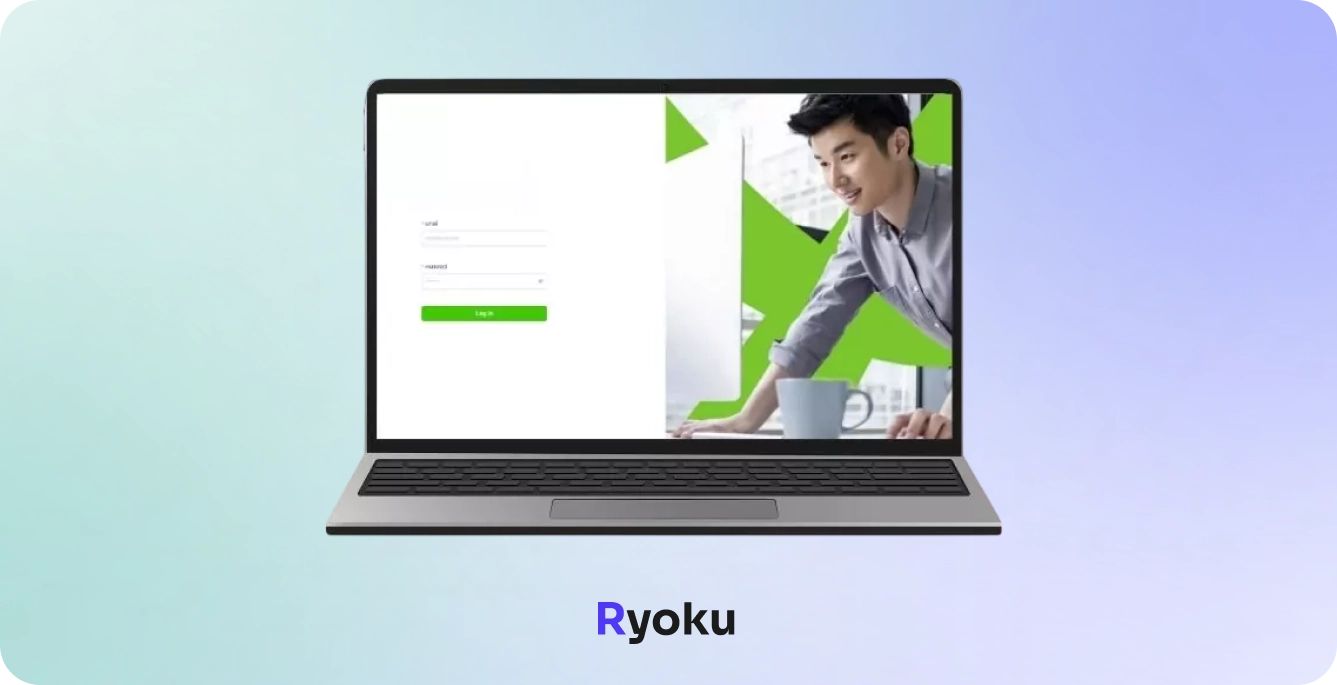
e-Invoice Business Portal

A centralized business portal provides dashboards, analytics, CSV exports, and data visualization. It supports JSON transformation, BigQuery data extraction, automated LHDN submission, TIN validation, Credit Note management, configurable user roles, and submission tracking through interactive filters and charts.

e-Invoice Service Monitoring Portal

A comprehensive monitoring portal tracks all LHDN responses through an advanced logging system. It also provides performance analysis tools for e-Invoice APIs and enables administrators to monitor Go Engine worker queues for tasks such as invoice retrieval, submission, status tracking, and document generation.

Customer Service Agent Portal

The portal enables customer service agents to retrieve and deliver e-Invoice documents based on customer requests. With an intuitive search and download interface, agents can quickly access historical invoices, improving response times and customer support efficiency.

PDF Document Generator

This service generates PDF invoices with embedded LHDN QR codes alongside the submission process. It also produces monthly and annual summary reports, manages secure document storage with retention policies, and supports external document retrieval through API gateway integration.

Audit Logs

The platform maintains detailed audit records of user activities and system events to support security and compliance requirements. Advanced filtering options allow administrators to search logs by email, date range, and other criteria, ensuring complete traceability and accountability.

User Experience

The platform features a responsive interface optimized for desktops, tablets, and mobile devices. A clean, user friendly design minimizes the learning curve, while Role Based Access Control (RBAC) ensures secure access to sensitive features and administrative functions.

Timeline

Project Start Time

May 1, 2024

1

arrow-left

Project End Time

Ongoing

arrow-right

2

Phase 1

Discovery and Planning

3 Weeks

1

arrow-left

Design Phase

1 Weeks

arrow-right

2

Development

8 Weeks

3

arrow-left

Testing and Quality Assurance

4 Weeks

arrow-right

4

Deployment and Post-Launch Support

4 Weeks

5

arrow-left

Phase 2

Discovery and Planning

4 Weeks

1

arrow-left

Design Phase

4 Weeks

arrow-right

2

Development

16 Weeks

3

arrow-left

Testing and Quality Assurance

4 Weeks

arrow-right

4

Deployment and Post-Launch Support

6 Months

5

arrow-left

Ready to Find the Right Solution for Your Business?

Explore Ryoku Systems’ portfolio of scalable software solutions built to streamline operations, improve productivity, and support business growth across finance, HR, healthcare, fleet management, and smart infrastructure.